


When hazardous materials are spilled, leaked, or released in the workplace, one of the most common questions is: Does this trigger HAZWOPER requirements? Or, what spill size triggers OSHA HAZWOPER requirements?
Many employers assume OSHA sets a specific spill quantity that automatically requires HAZWOPER response procedures. In reality, there is no universal gallon or pound threshold in the regulation.
HAZWOPER stands for Hazardous Waste Operations and Emergency Response, OSHA’s standard under 29 CFR 1910.120. It governs worker protection during hazardous waste cleanup operations and emergency response involving hazardous substance release(s).
Understanding when the rule applies can help employers avoid citations, protect workers, and respond more effectively.
Is There a Spill Size That Triggers HAZWOPER?
The short answer is no. OSHA does not define a single spill amount that automatically activates HAZWOPER. Instead, applicability depends on whether the incident is considered an emergency response or merely an incidental spill.
That distinction is critical.
Incidental Spill
An incidental spill is a small, manageable release that:
- Does not create a significant safety or health hazard
- Can be controlled by employees in the immediate area
- Can be cleaned safely using routine procedures and standard PPE
- Does not require outside emergency responders
Examples may include a small solvent container tipping over in a ventilated area or a limited housekeeping chemical spill that trained staff can safely contain.
Emergency Release
A spill becomes a HAZWOPER issue when it involves:
- An uncontrolled release of a hazardous substance
- Potential fire or explosion hazards
- Toxic vapor generation
- Exposure risks beyond the immediate area
- Need for evacuation or isolation
- Need for trained responders beyond normal operations
OSHA notes that emergency response operations involve releases—or substantial threats of releases—of hazardous substances, regardless of location.
Factors That Determine Whether HAZWOPER Applies
Instead of focusing only on quantity spilled, employers should assess the total hazard picture.
- Chemical Properties
A few ounces of one chemical may be more dangerous than several gallons of another.
Consider:
- Toxicity
- Corrosivity
- Flammability
- Reactivity
- Volatility
For example, a small hydrofluoric acid spill may present greater danger than a larger water-based cleaner spill.
- Exposure Potential
Ask:
- Are vapors spreading?
- Could workers inhale contaminants?
- Is skin contact likely?
- Could the substance reach drains or confined spaces?
- Location of the Spill
The same material can present very different risks depending on where it is released.
Examples:
- Open warehouse with ventilation
- Confined room or confined space
- Production line near ignition sources
- Public area or transportation corridor
- Available Response Capability
If on-site employees are not trained or equipped to control the spill safely, the incident may require HAZWOPER-level responders.
Who Needs HAZWOPER Training?
OSHA’s HAZWOPER standard covers several categories of work, including:
- Hazardous waste site cleanup
- Corrective actions under RCRA (Resource Conservation and Recovery Act)
- Treatment, storage, and disposal facilities
- Emergency response to hazardous substance releases
Training levels depend on job duties.
Common Training Categories
24-Hour HAZWOPER
Often used for workers with limited exposure duties or controlled-site tasks.
40-Hour HAZWOPER
Common for general site workers involved in hazardous waste operations or more complex exposure scenarios.
Annual Refresher Training
Applicable employees require an 8-hour refresher annually to maintain competency. Supervisors may need additional training beyond worker-level instruction.
PPE Requirements Under HAZWOPER
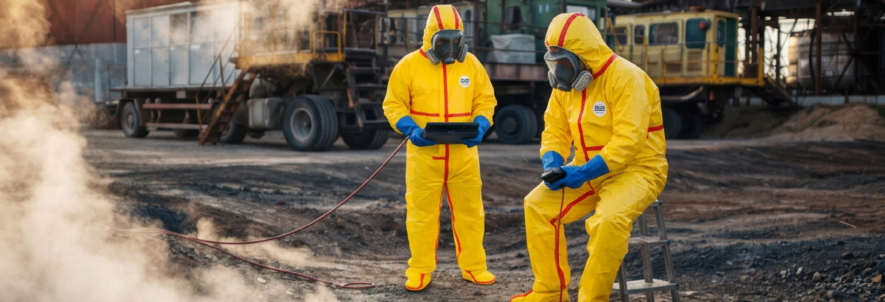
Personal protective equipment is a major component of HAZWOPER compliance. Employers must evaluate hazards and provide suitable PPE based on the exposure risk. OSHA also requires respiratory protection programs under 29 CFR 1910.134 when respirators are necessary.
PPE may include:
- Chemical-resistant suits
- Gloves
- Boots
- Eye and face protection
- Flame-resistant clothing where ignition risk exists
- Respiratory protection
Why Respiratory Protection Matters
Many hazardous releases create invisible airborne hazards. Workers may face:
- Solvent vapors
- Acid gases
- Dusts
- Smoke
- Oxygen-deficient atmospheres, especially in confined spaces
Depending on the risk, employers may need:
- Air-purifying respirators
- Full-face respirators
- Supplied-air respirators
- SCBA units for IDLH conditions (Immediately Dangerous to Life or Health)
Respirators must be selected properly, fit tested, and supported by medical evaluations and training.
Common Employer HAZWOPER Mistakes
Companies often run into trouble when they:
- Use Quantity Alone to Judge Risk
A small spill can still be highly dangerous.
- Treat Every Spill as Incidental
If employees cannot manage the spill without evacuation or specialized PPE, it may not qualify as incidental.
- Lack Written Procedures
Facilities should define:
- Spill classifications
- Internal response limits
- Evacuation triggers
- Emergency contacts
- PPE requirements
- Skip Training
Employees expected to respond must be trained before an emergency happens.
Best Practices for Compliance
To improve readiness and reduce liability, employers should:
- Conduct Hazard Assessments: Review chemicals and their SDS, quantities, safe storage methods, and likely spill scenarios.
- Build a Spill Response Plan: Create clear procedures for initial notifications, isolation zones, cleanup responsibilities, and outside responder activation.
- Train by Role: Not every employee needs 40-hour HAZWOPER training, but anyone expected to respond needs training appropriate to duties. Consider having a few additional employees trained, even if it doesn’t directly apply to their role. These “backups” can safely assist if “primary response employees” are out sick, injured, experience exposure, or are taking time off when a spill occurs.
- Maintain PPE and Supplies: Keep spill kits, absorbents, gloves, suits, and respirators ready for use. These supplies should directly address the specific types of chemicals in use or stored on site.
- Practice Drills: Mock spill scenarios help workers respond faster and more confidently. It can also help identify other issues that may impact appropriate spill response.
Why HAZWOPER Matters
Chemical incidents continue across manufacturing, logistics, healthcare, utilities, construction, and energy sectors. A delayed or improper response can lead to worker injuries, toxic exposures, fires, environmental releases, regulatory fines, and business interruption.
HAZWOPER remains one of OSHA’s most important standards because it helps employers prepare before incidents occur.
Final Thoughts
There is no universal spill amount that automatically triggers HAZWOPER. The real question is whether the release creates an emergency requiring specialized response beyond routine cleanup.
Employers should evaluate the substance, exposure risk, location, and response capability—not just volume. With proper planning, training, PPE, and hazard assessments, organizations can respond safely and stay compliant.
When hazardous materials are involved, preparation matters more than guessing.
References / Sources
- Occupational Safety & Health Administration (OSHA). 29 CFR 1910.120 – Hazardous Waste Operations and Emergency Response.
- Occupational Safety & Health Administration (OSHA). 29 CFR 1910.134 – Respiratory Protection.
- Safety+Health Magazine. Understanding HAZWOPER.
OSHA Publication 3114. Hazardous Waste Operations and Emergency Response (HAZWOPER).