


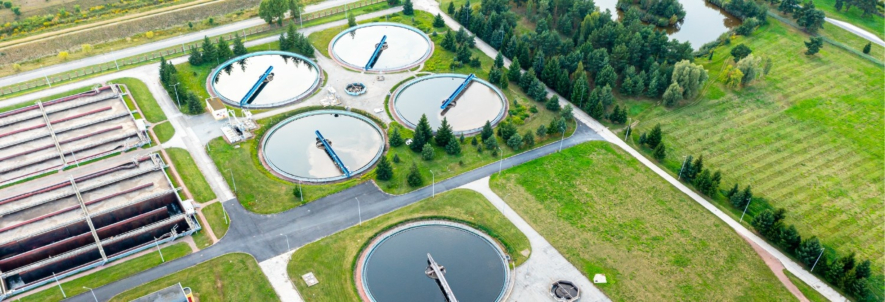
Chemical Exposure Risks in Water Treatment Facilities: What Workers Need to Know
Water treatment facilities are essential to both public health and industrial operations. They ensure that drinking water is safe, wastewater is properly treated, and environmental standards are met. However, the same processes that make water safe often involve handling chemicals that can pose serious health risks to workers.
From disinfectants to coagulants and pH-adjusting agents, these substances are necessary—but not without potential consequences. Understanding how exposure happens, what health effects may occur, and how to reduce risk is key to protecting yourself and your team.
Why Chemical Exposure Is a Concern in Water Treatment
Water and wastewater treatment processes rely heavily on chemicals to remove contaminants, neutralize pathogens, and meet regulatory standards. Common substances include:
- Chlorine and chloramines
- Ammonia
- Ozone
- Acids and alkalis
- Coagulants and flocculants
In some cases, exposure may also come from aerosols or airborne particles generated during treatment processes, which can carry both chemical and biological hazards.
While these chemicals are essential for treatment, they can become dangerous when mishandled or released into the air. Workers may be exposed through inhalation, skin contact, or accidental ingestion.
According to safety data, chlorine-related exposures are among the most frequently reported incidents in water treatment environments, highlighting how common chemical risks are in these facilities.
Common Chemicals in Water Treatment and Their Health Risks
Chemical treatment plays a central role in removing impurities, reducing odor and discoloration, and eliminating harmful microorganisms. While these chemicals improve water quality, they can also create workplace hazards if not handled properly.
Below are some of the most commonly used chemicals in water treatment facilities and the risks associated with them.
Chlorine Gas
Chlorine is one of the most widely used disinfectants in water treatment. It is highly effective at killing bacteria and pathogens, making it critical for safe drinking water and industrial processes.
However, chlorine can be dangerous when released into the air. Exposure may occur through inhalation or contact with the skin or eyes, especially during leaks, spills, or equipment failures.
Short-term exposure can cause:
- Irritation of the eyes, nose, and throat
- Coughing and breathing discomfort
- Excessive salivation
Long-term or repeated exposure may lead to more serious issues, including:
- Persistent coughing or chest pain
- Respiratory damage
- Hemoptysis (coughing up blood in severe cases)
According to public health data, chlorine gas remains one of the most commonly reported chemical exposure hazards in water treatment and industrial environments.
Aluminum Sulfate (Alum)
Aluminum sulfate—often called alum—is commonly used as a coagulant to remove suspended particles from water. It works by binding to contaminants like clay, organic matter, and silt, allowing them to be removed during treatment.
Although effective, alum can still pose risks:
- Eye contact may cause irritation
- Ingestion can result in nausea, vomiting, or stomach discomfort
- Improper handling may lead to mild chemical exposure symptoms
While generally less hazardous than some disinfectants, improper use or accidental exposure can still affect worker health.
Sodium Hypochlorite
Sodium hypochlorite, often referred to as “liquid chlorine,” is another widely used disinfectant. It is also the active ingredient in household bleach and is valued for its ability to eliminate bacteria, viruses, and fungi.
Despite its effectiveness, exposure to sodium hypochlorite can be harmful, particularly in higher concentrations.
Potential health effects include:
- Respiratory irritation
- Headaches and dizziness
- Nausea and vomiting
- Coughing and breathing difficulty
In more severe cases, exposure can lead to:
- Swelling of the upper respiratory tract
- Pulmonary edema (fluid buildup in the lungs)
Because of these risks, proper handling and ventilation are critical when working with this chemical.
Calcium Hydroxide (Hydrated Lime)
Calcium hydroxide—also known as hydrated lime or slaked lime—is used to adjust water pH and remove impurities such as metals and unwanted coloration. It also plays a role in water softening by reducing calcium and magnesium levels. However, this chemical is highly alkaline and can be hazardous upon contact.
Exposure risks include:
- Irritation or burns to the skin and eyes
- Damage to mucous membranes
- Breathing irritation if dust or particles are inhaled
In more serious cases, exposure may result in:
- Severe eye damage or vision loss
- Intense pain or chemical burns
- Respiratory distress
Proper handling procedures and protective equipment are essential when working with lime-based materials.
How to Reduce Chemical Exposure in Water Treatment Plants
While chemical exposure is a real concern, it is also highly preventable. By combining engineering controls, proper procedures, and protective equipment, facilities can significantly reduce risks.
Here are key strategies to improve safety.
Limit Chemical Overuse with Automation
One of the most effective ways to reduce exposure is to minimize unnecessary chemical handling. Automated dosing and transfer systems can precisely control chemical levels, reducing the need for manual adjustments.
These systems help:
- Prevent overuse of chemicals
- Improve treatment efficiency
- Reduce the likelihood of spills or accidental exposure
Automation also ensures more consistent water quality while lowering overall risk.
Follow Safety Standards and Training Protocols
Strict adherence to safety procedures is critical. Workers should follow both facility-specific protocols and regulations set by agencies such as OSHA and the EPA.
Regular training is essential to keep safety practices fresh and effective. Consider incorporating:
- Refresher training sessions
- Visual aids such as posters and videos
- Hands-on demonstrations
Well-trained employees are more likely to recognize hazards and respond appropriately.
Ensure Proper Chemical Labeling and Storage
Incorrect storage or labeling can quickly lead to dangerous situations. Following best practices for chemical management helps prevent accidental exposure and chemical reactions.
Key storage guidelines include:
- Keep chemicals in secure, well-ventilated areas
- Avoid exposure to direct sunlight or heat sources
- Use containers that are compatible with the chemical
- Store materials on stable, properly secured shelving
- Separate incompatible chemicals to prevent reactions
- Use approved safety cabinets or containers when possible
Clear labeling ensures that workers can quickly identify hazards and handle chemicals safely.
Use Appropriate Personal Protective Equipment (PPE)
Personal protective equipment provides an essential layer of defense when exposure cannot be fully eliminated.
Workers should have access to:
- Chemical-resistant gloves
- Safety goggles or face shields
- Chemical protective clothing or coveralls
- Boots designed for chemical environments
- Respiratory protection when required, such as a respirator
Comfort also matters—properly fitted, breathable PPE encourages consistent use and reduces fatigue.
Improve Ventilation and Air Monitoring
Ventilation is one of the most important engineering controls in a water treatment facility. A well-designed system helps remove airborne contaminants and maintain safe air quality.
Benefits of proper ventilation include:
- Reduced concentration of hazardous gases
- Improved breathing conditions
- Better worker focus and productivity
Air monitoring systems can also detect and alert (alarm system) of chemical or gas levels in real time, allowing facilities to respond quickly to potential hazards. These measures help reduce exposure at the source before it reaches workers.
Taking a Proactive Approach to Worker Safety
Chemical exposure in water treatment facilities is not something that can be ignored—but it is something that can be managed effectively.
By understanding the risks associated with common treatment chemicals and implementing proactive safety measures, facilities can protect workers while maintaining efficient operations.
The future of safety in water treatment depends on:
- Strong training programs
- Smart use of technology
- Consistent adherence to safety standards
When these elements come together, workers are better protected, and operations run more smoothly.
Why This Matters More Than Ever
As water treatment processes evolve and regulations become stricter, facilities may rely on more complex chemical systems. At the same time, aging infrastructure and increasing demand for clean water can place additional pressure on workers.
Chemical exposure will likely remain a key occupational health challenge in this industry. That makes proactive safety measures—not reactive ones—more important than ever.
Final Thoughts
Water treatment is essential work, but it comes with hidden risks. Chemical exposure—whether from chlorine, alum, sodium hypochlorite, or lime—can have serious health impacts if not properly controlled.
The good news is that most of these risks are preventable. With the right combination of engineering controls, PPE, training, routine maintenance, and monitoring, facilities can create a safer environment for everyone. At the end of the day, protecting water starts with protecting the people who treat it.